From imperial capital to contemporary cultural city
As you move by tram, metro and on foot, Vienna reveals centuries of art, power, reform and everyday elegance.
Table of Contents
From Roman camp to medieval Vienna
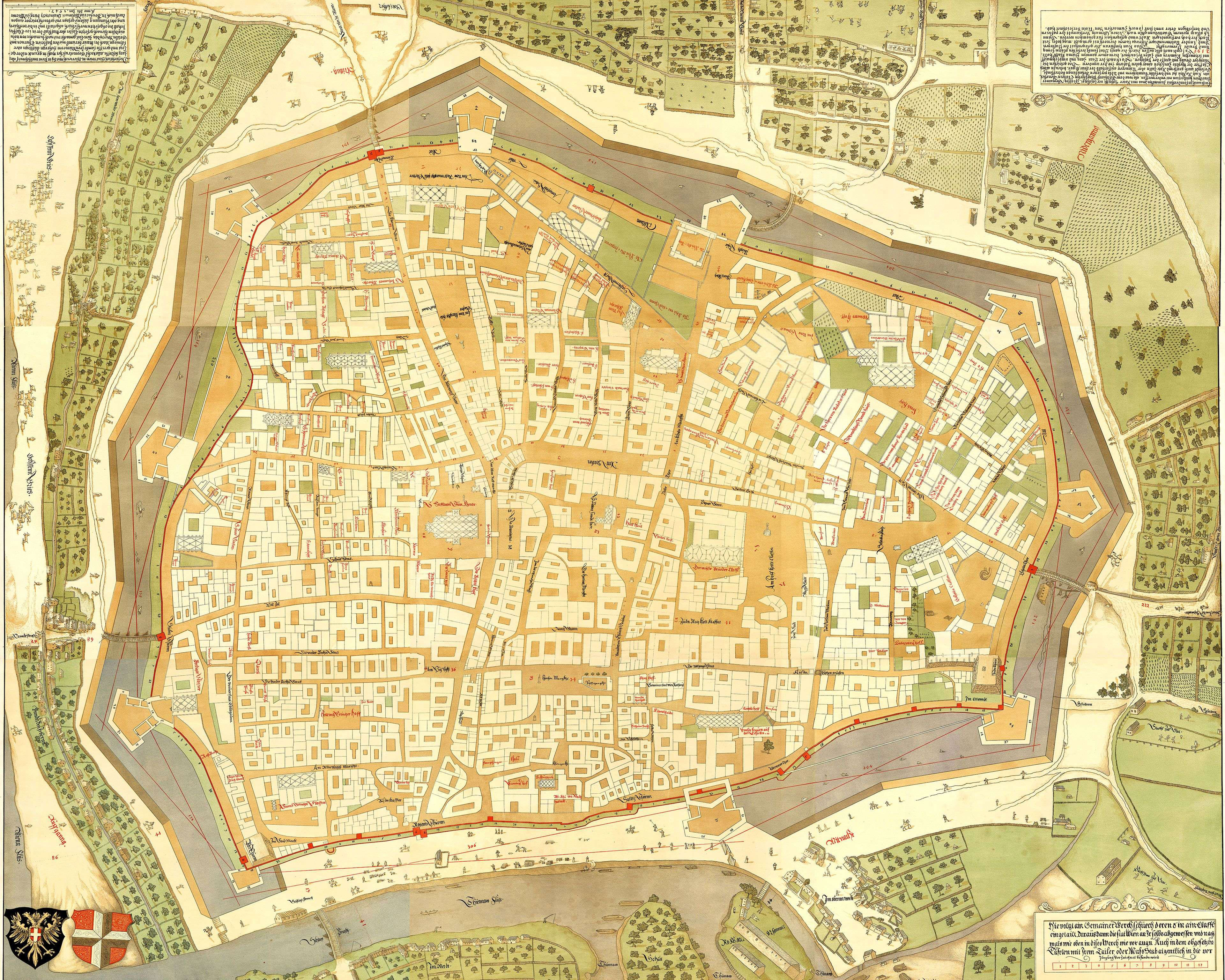
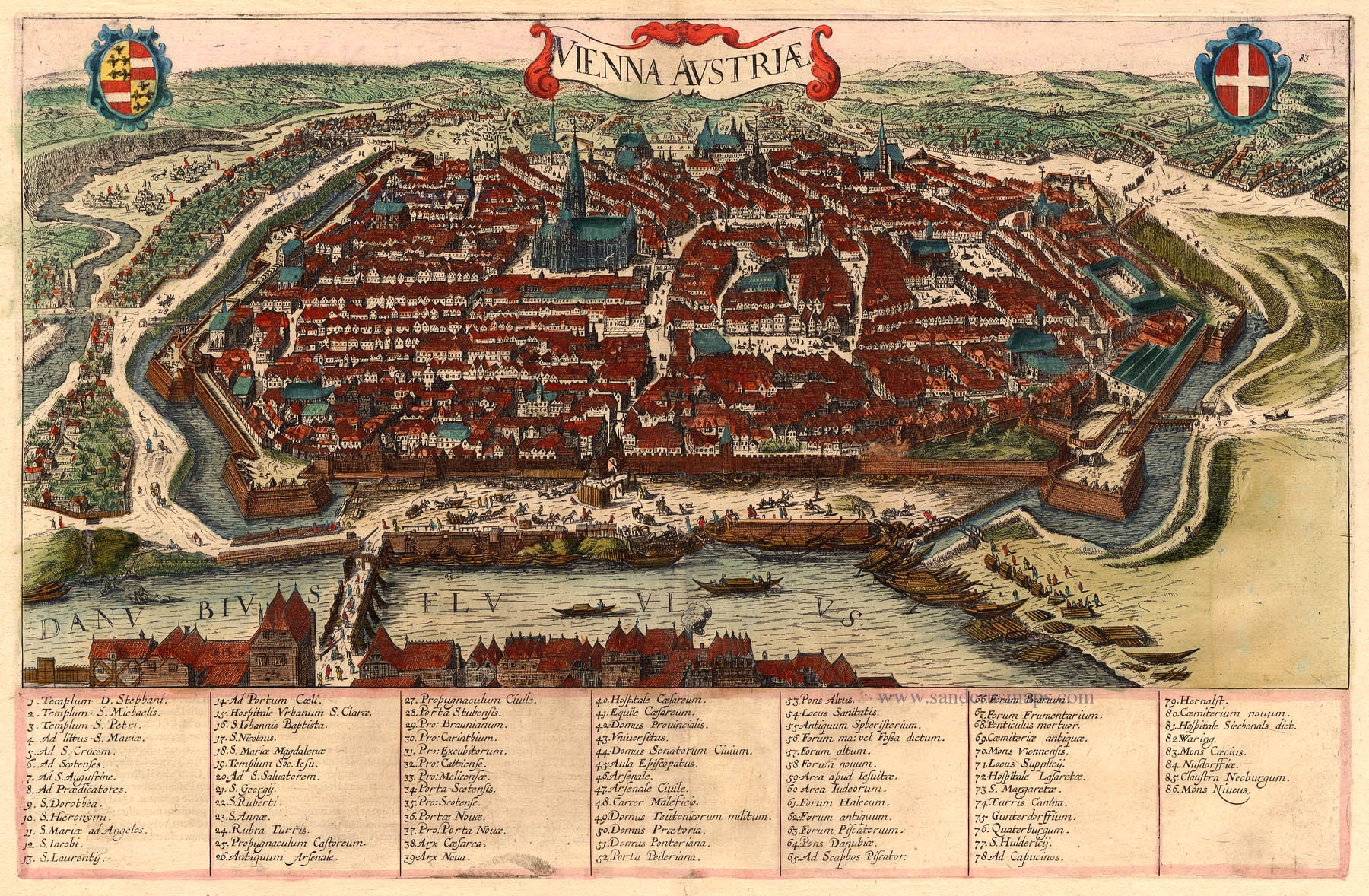
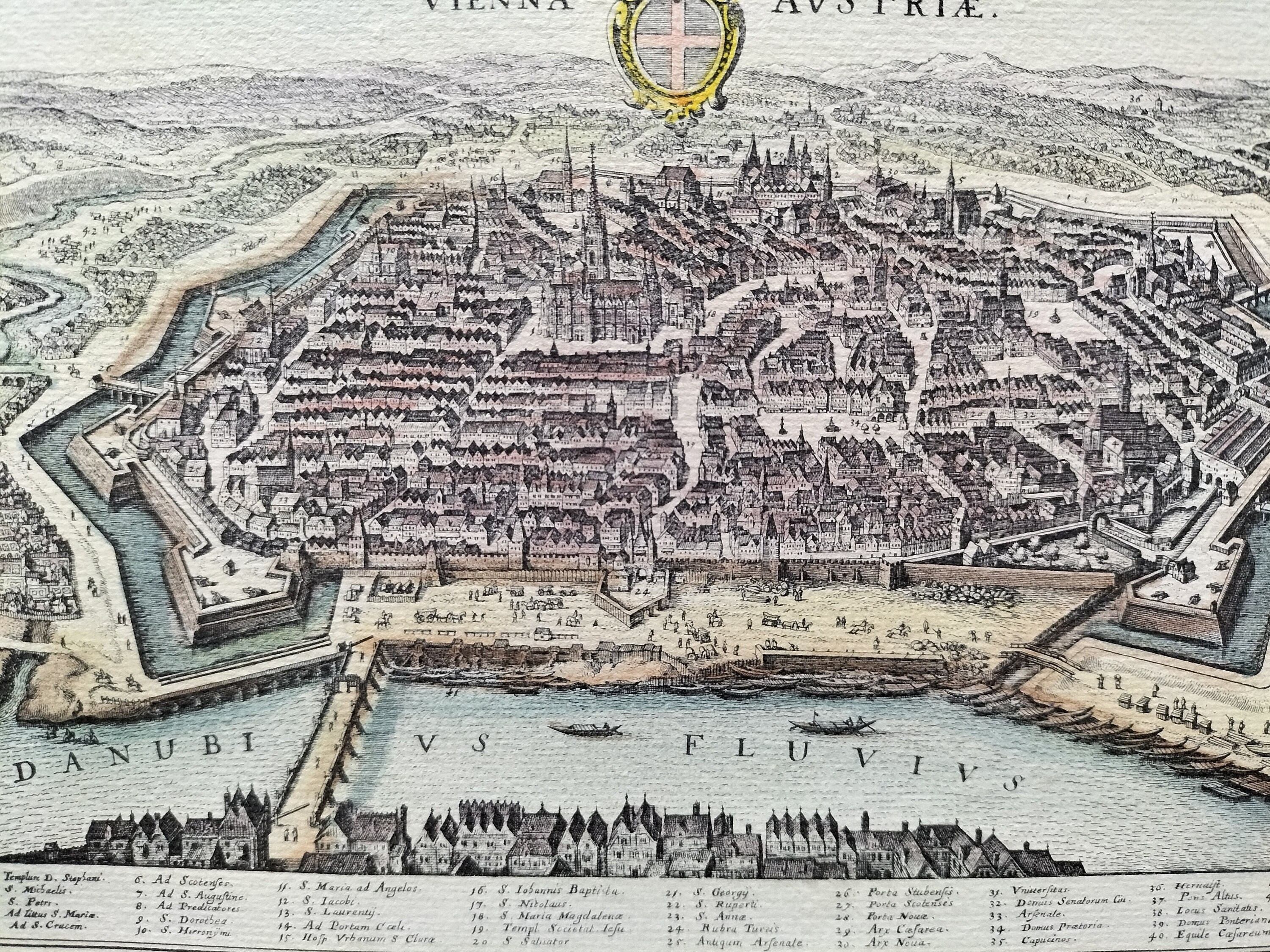
Long before Vienna became a city of waltzes, coffeehouses and imperial facades, it began as Vindobona, a Roman military camp at the edge of an enormous empire. Soldiers, traders and travelers moved through this outpost where frontier life met long-distance commerce, and that practical, strategic role shaped the city's early identity. Over the centuries, the Roman presence faded, but the location remained crucial: routes converged here, goods passed through, and new settlements rose layer by layer. Medieval Vienna then grew behind defensive walls, developing markets, parishes and guild structures that gave the city both economic energy and social rhythm. If you stand in the old center today, it is possible to sense this deep continuity, where modern storefronts and tram lines sit above pathways that have guided movement for generations.
What makes Vienna fascinating is not only its polished architecture but also the way each historical era was absorbed rather than erased. Medieval lanes became formal streets, fortifications became boulevards, and local traditions adapted to changing political realities without losing their core character. This long transformation helps explain why the city feels at once stately and intimate. Even a short trip between districts can pass through centuries of urban memory, from Roman traces to Gothic fragments to Baroque and nineteenth-century redesigns. The Vienna Card does not merely make transport easier; it quietly encourages you to read these transitions in real time, moving from one historical layer to the next with enough ease to notice details that rushed travel often misses.
The Hofburg and imperial city center
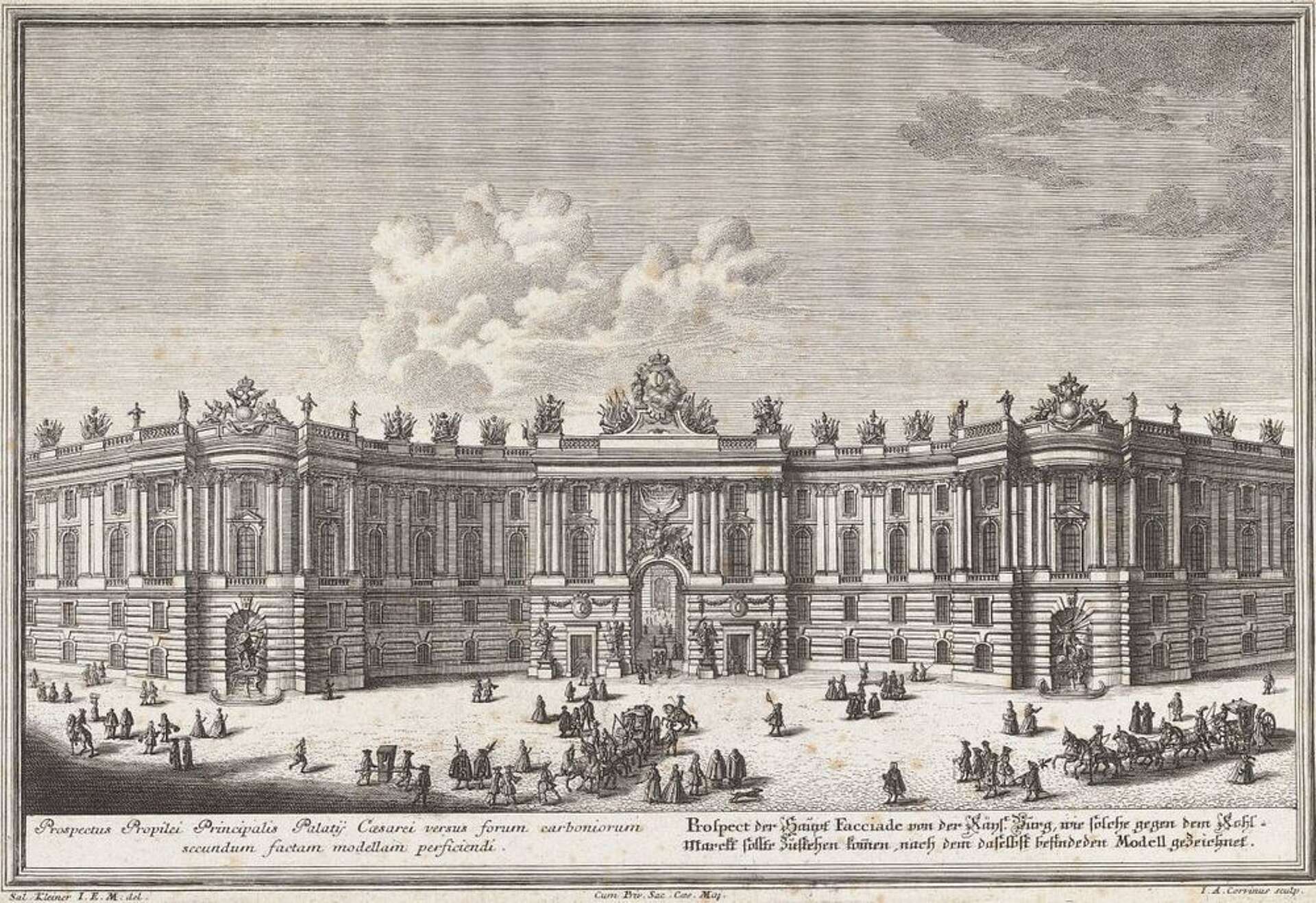
At the heart of Vienna stands the Hofburg, a sprawling complex that functioned for centuries as a political center, ceremonial stage and daily workplace for imperial administration. Walking through its courtyards today, you move through a built archive of dynastic ambition, changing tastes and practical governance. Gothic remnants meet Baroque statements and later expansions, each phase reflecting new priorities of power, representation and modernization. Nearby streets, churches and squares reinforce this atmosphere, where monumental buildings and civic institutions stand close enough to explore on foot, yet each one opens onto a remarkably rich historical narrative.
The center is also where Vienna's polished image meets its everyday life. Office workers pass tourists, students cut through palace arcades, and locals queue for quick lunches beside world-famous landmarks. This coexistence matters: Vienna's heritage is not a frozen stage set, but an active urban environment where history remains useful, visible and inhabited. As you move between central sites with the Vienna Card, you can choose your own pace, pausing for architectural detail, museum depth or simply people-watching at a cafe terrace, letting the city reveal itself as both former imperial capital and present-day home.
Trade, coffeehouses and urban daily life
Vienna's commercial story is written not only in grand department stores and shopping avenues, but also in markets, arcades and neighborhood businesses that have served residents for generations. Places like Naschmarkt reveal a city shaped by exchange: local produce beside international ingredients, traditional stalls beside modern food concepts, long-established vendors beside new arrivals. This practical economic life has always complemented Vienna's ceremonial image. Courts, ministries and opera houses may define the postcard, but markets and small businesses explain how the city actually breathes.
Coffeehouses add another essential layer. More than places to drink coffee, they have long been social workspaces where writers, musicians, political thinkers and ordinary citizens shared newspapers, arguments and ideas. This culture of lingering has influenced Vienna's tempo: reflective, conversational and less hurried than many capitals. With the Vienna Card handling transport connections, you can move between a morning market, an afternoon museum and an evening coffeehouse with very little friction, experiencing the city as residents often do, through routines rather than rushed checklists.
Ringstrasse and the age of grand institutions
The creation of the Ringstrasse in the nineteenth century was one of Vienna's most defining urban transformations. Former fortifications gave way to a sweeping boulevard lined with institutions that projected confidence, education and civic identity: parliament, city hall, museums, theaters and university buildings. It was city planning as political statement, designed to communicate modernity and prestige through architecture. Traveling around this zone today offers an immediate lesson in how urban form can express national ambition.
Yet the Ring is not only monumental. It is also a living corridor of tram lines, commuters, visitors and seasonal events. Morning sunlight across facades, evening lights near theaters, winter markets and spring promenades all give the boulevard a changing mood throughout the year. Using your Vienna Card to ride trams around this loop lets you experience both scale and continuity, seeing how ceremonial buildings remain integrated into contemporary urban life rather than isolated as museum pieces.
Schonbrunn, Belvedere and courtly culture
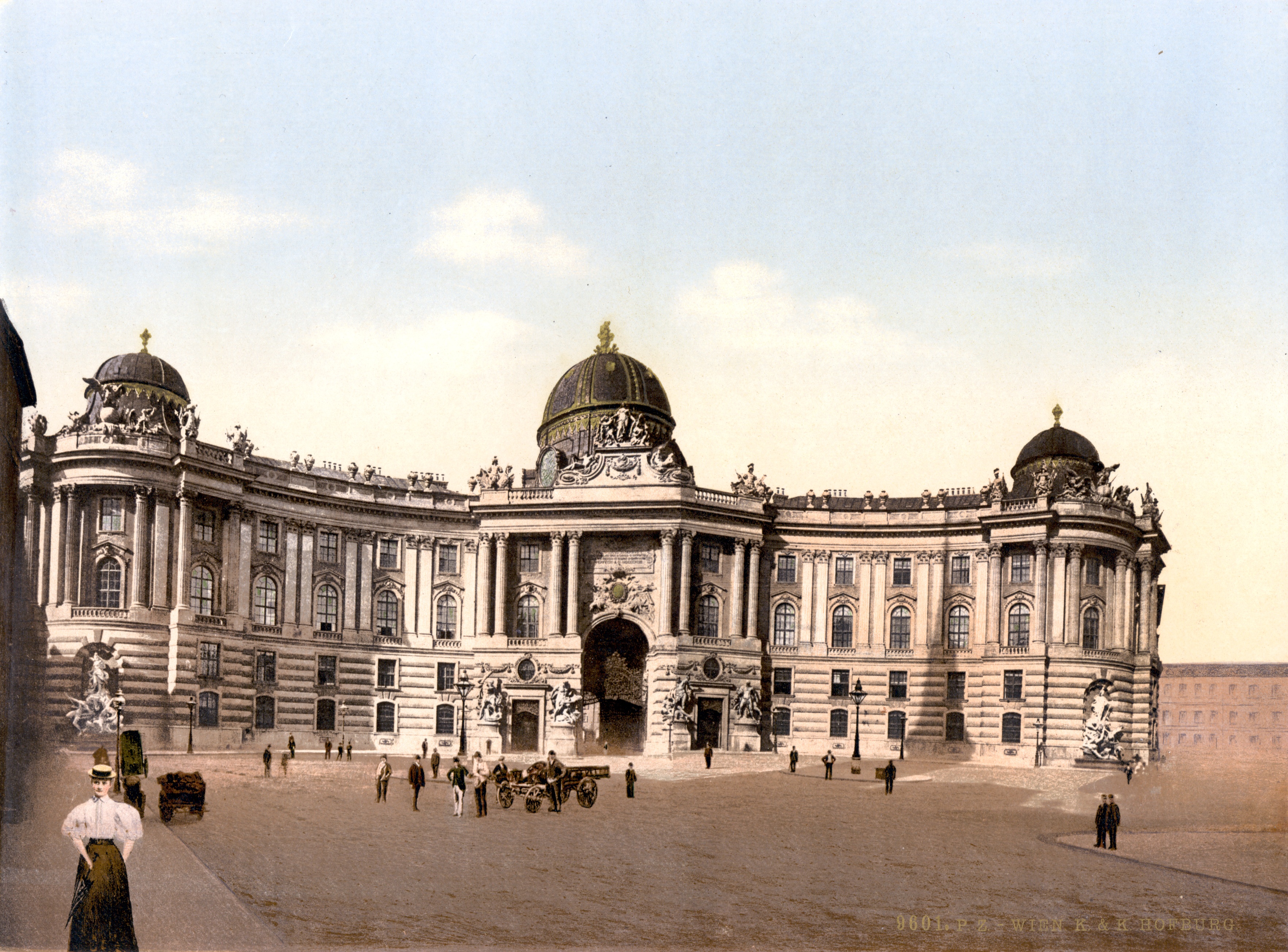
Vienna's palace culture is often associated with ceremony and splendor, but these spaces were also engines of administration, diplomacy and artistic patronage. Schonbrunn, with its formal rooms and extensive gardens, reflects both court etiquette and practical governance on a large scale. Belvedere, meanwhile, combines aristocratic architecture with major art collections that bridge imperial history and modern cultural identity. Visiting both offers a fuller picture: palaces were not decorative backdrops, but active institutions that shaped how power, style and cultural policy evolved.
Today these places are among Vienna's most visited highlights, and their popularity is understandable. Still, beyond the famous halls and photos, there is real value in slowing down. Walk garden paths, notice perspective lines, compare decorative programs, and observe how visitors from around the world engage with the same spaces differently. The Vienna Card supports this slower approach by reducing transport and ticket stress, so you can focus on interpretation rather than logistics.
Modern Vienna: design, music and neighborhoods
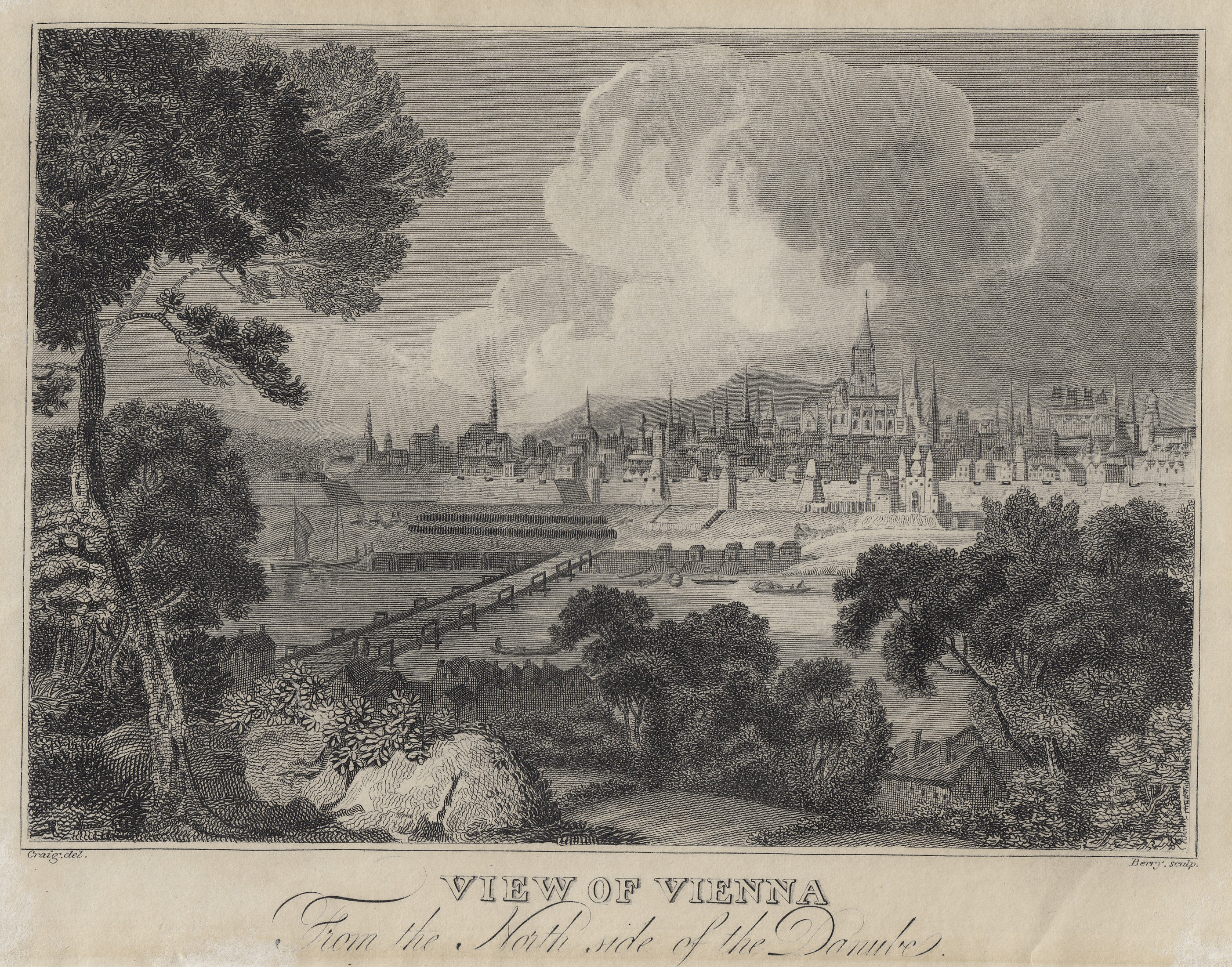
Modern Vienna balances deep tradition with a quietly confident contemporary scene. In districts beyond the postcard core, you find independent design studios, experimental galleries, neighborhood bakeries and evening venues where classical music and modern performance cultures coexist naturally. The city does not always shout its modernity, but it is present in adaptive reuse projects, local creative ecosystems and the way public spaces are managed for both residents and visitors.
Neighborhood exploration is where many travelers feel most connected to Vienna's real character. A morning museum in one district can lead to lunch in another and an evening concert elsewhere, all linked by efficient transport. With the Vienna Card, these transitions become effortless enough that you can follow curiosity rather than rigid plans, allowing unexpected highlights to shape your day.
Mobility and the city network
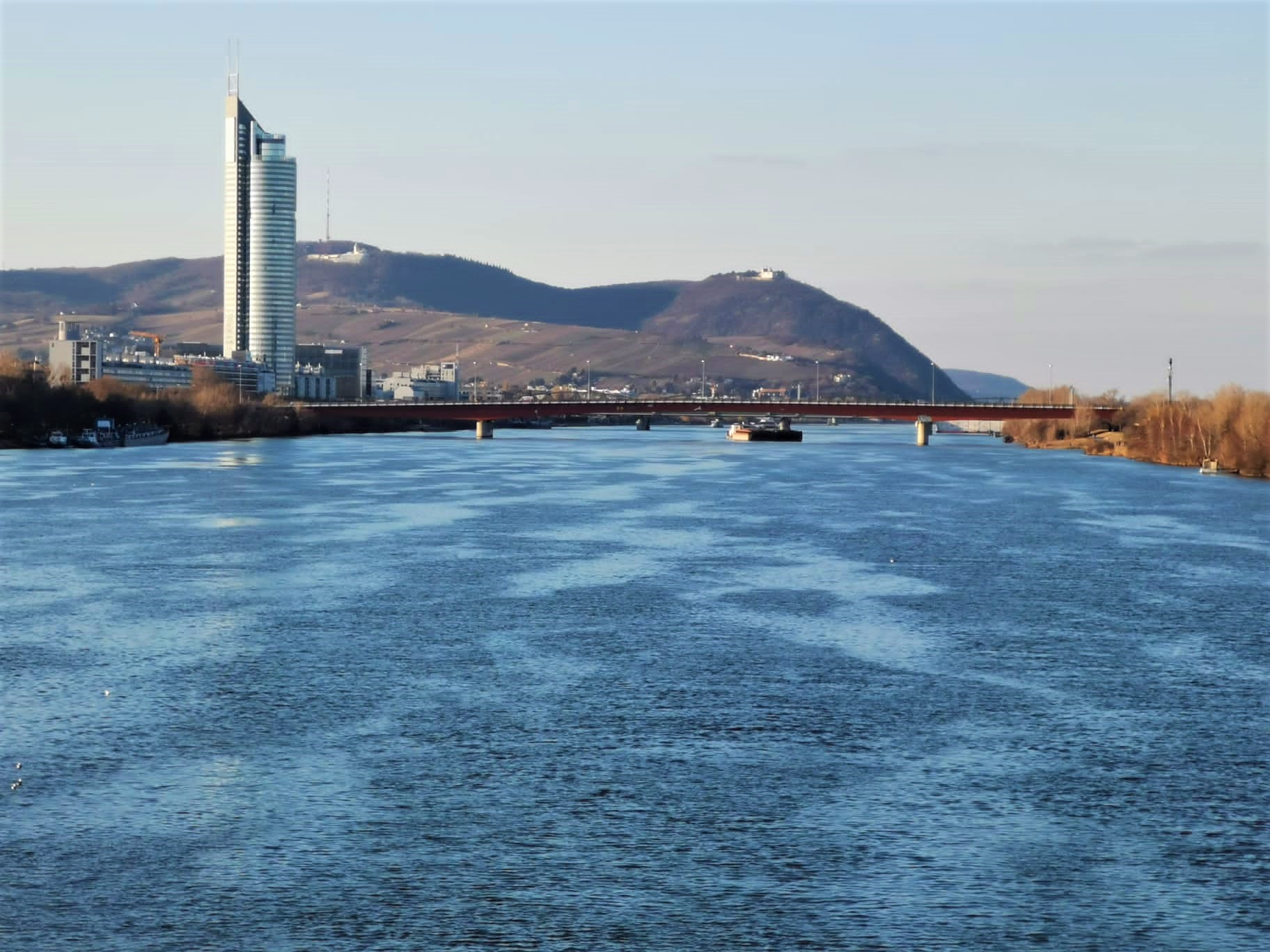
Vienna's mobility system is one of the city's quiet masterpieces. Trams trace historic avenues, U-Bahn lines connect key districts quickly, and buses fill practical gaps, creating a network that is easy to understand even for first-time visitors. This infrastructure is not only convenient; it actively shapes how people experience the city by making cultural institutions, parks and neighborhoods feel close rather than fragmented.
That is why the Vienna Card can transform an itinerary. Instead of clustering activities in one area out of transport uncertainty, you can build richer days across multiple districts with confidence. A palace in the morning, a museum in the afternoon, a Danube walk at sunset and an evening performance become entirely realistic without exhausting coordination.
Crowds, safety and accessibility
Vienna is generally perceived as safe and well-organized, yet smart travel habits still matter, especially around major stations and crowded attractions. Keep valuables secure, verify platform information before boarding, and allow extra transfer time during rush periods. Popular museums and palaces can become busy, but this is manageable with early arrivals, pre-booked slots and flexible route planning.
Accessibility standards are strong in many parts of the network, with low-floor trams, lifts in numerous stations and detailed public information. However, older buildings and historic interiors can still present constraints. The best approach is to plan ahead by checking each venue's accessibility details, then use the card and transport network strategically to minimize unnecessary effort.
Festivals, rituals and seasonal Vienna
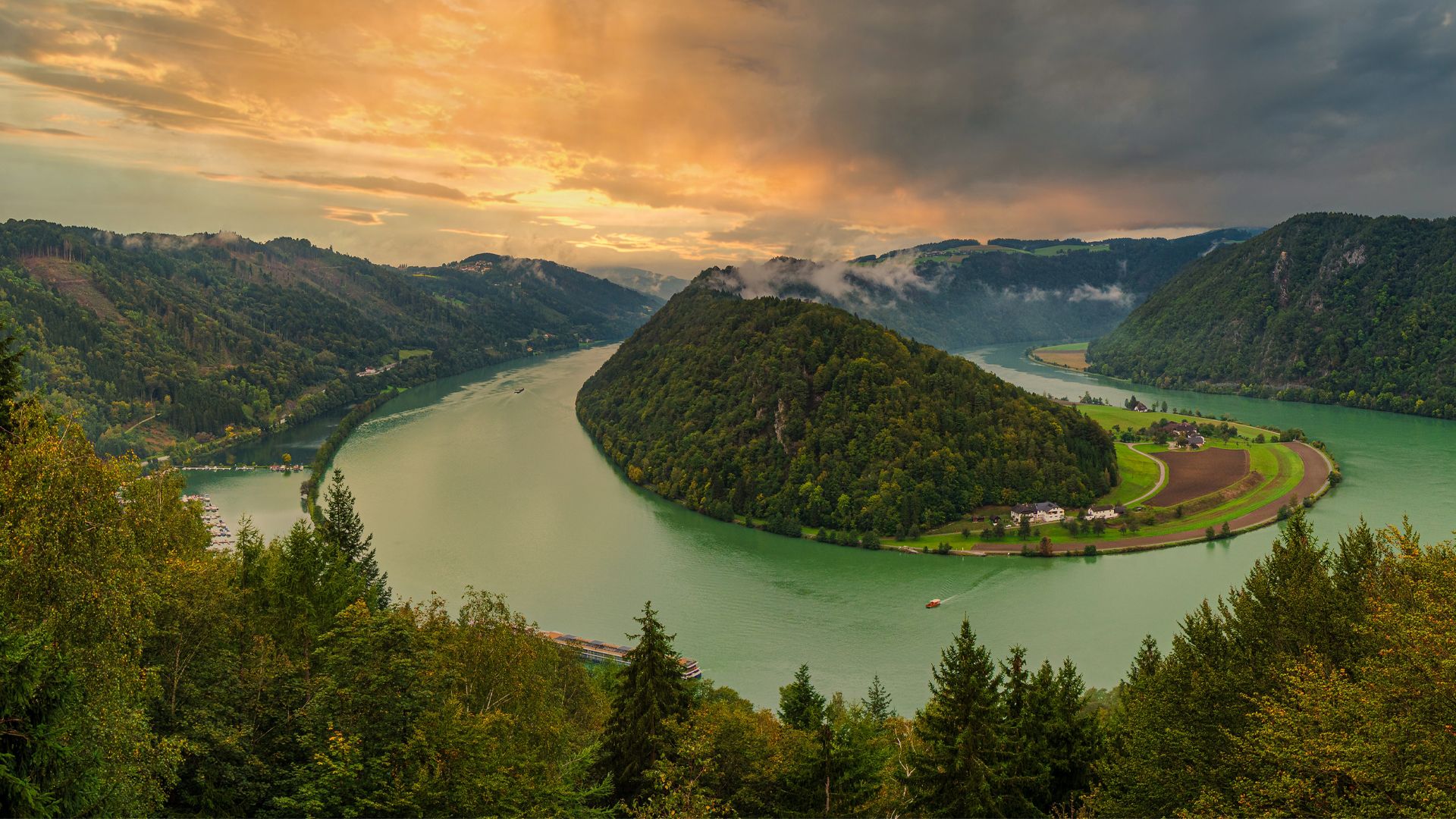
Vienna changes character with the calendar in a way that visitors quickly feel. Spring brings outdoor concerts and greener promenades, summer opens long evenings along the Danube, autumn deepens the museum season, and winter transforms squares with Advent markets, lights and warm food stalls. These seasonal rhythms are not decorative extras; they influence opening times, crowd levels and even how locals move through the city.
Alongside major events, smaller rituals give Vienna much of its charm: an unhurried coffeehouse morning, a newspaper read in silence, an evening walk after a concert, Sunday routines in local neighborhoods. When your transport is already sorted through the Vienna Card, it becomes easier to align your day with these subtle cultural patterns and experience the city as a lived environment, not only as a list of attractions.
Cards, discounts and smart planning
City cards are most effective when they are matched to your real travel style. Before buying, identify your must-see attractions, estimate your daily movement between districts, and compare potential discount use against the card cost. In Vienna, this method usually pays off because many key experiences are spread out and public transport is central to efficient planning.
A practical strategy is to cluster nearby visits while preserving flexibility for weather and energy. For example, pair central museums on one day, palace and gardens on another, then leave room for spontaneous neighborhood stops. The Vienna Card supports this approach because it removes repetitive ticket decisions and keeps your day adaptable from morning to evening.
Preserving heritage in a living city
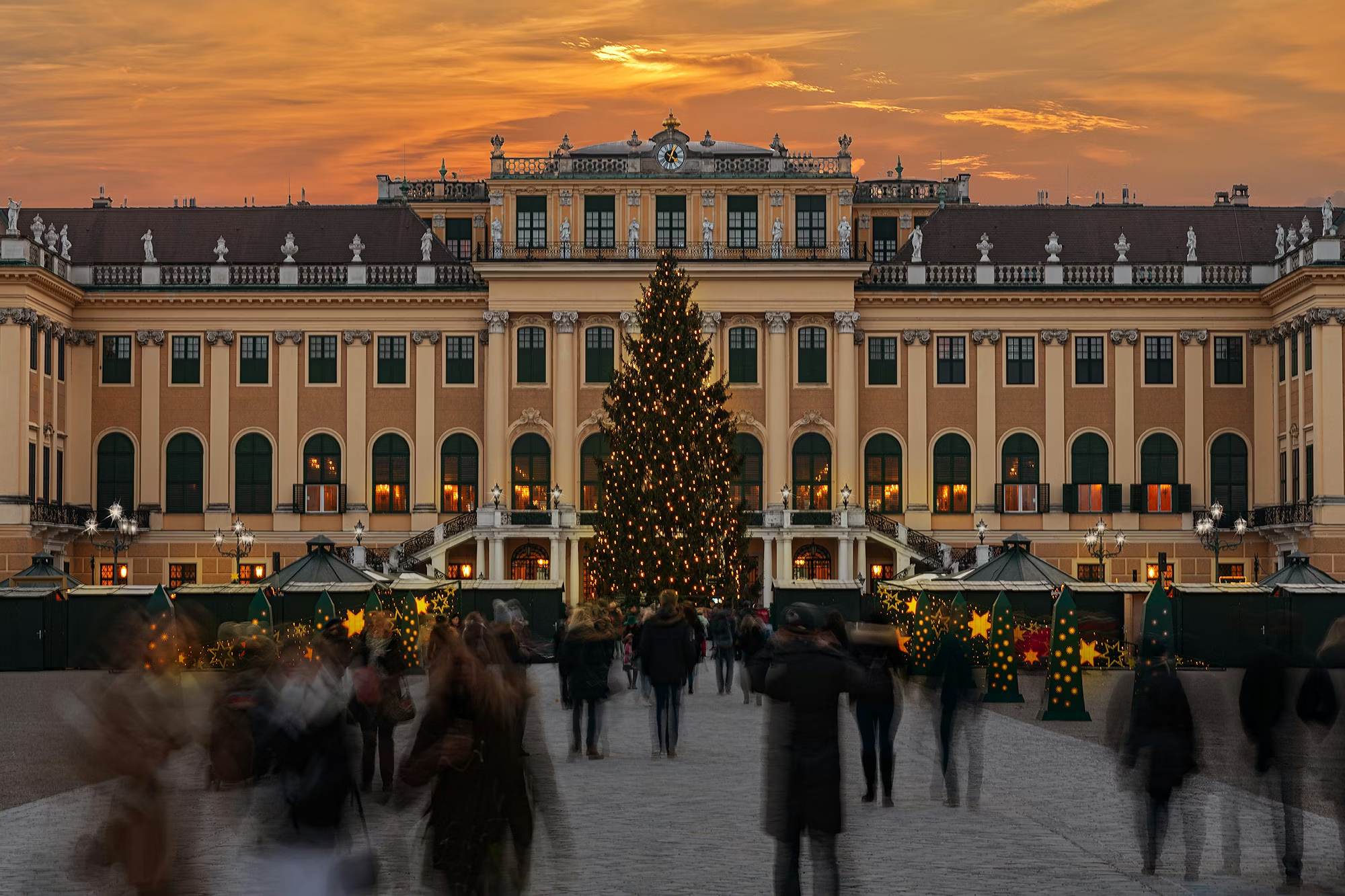
Vienna's visual harmony can make preservation look effortless, but maintaining it requires constant effort, regulation and investment. Facade restorations, adaptive reuse projects, museum conservation work and infrastructure upgrades happen continuously behind the scenes. The challenge is to keep the city functional for residents while safeguarding architectural and cultural continuity across centuries.
Visitors play a role too. Responsible tourism means respecting site rules, supporting official institutions, choosing sustainable mobility and giving heavily visited places enough space. The Vienna Card can support this by distributing movement across many neighborhoods rather than concentrating everyone in a few hotspots, helping create a more balanced and respectful experience for both travelers and locals.
Side trips and Danube perspectives
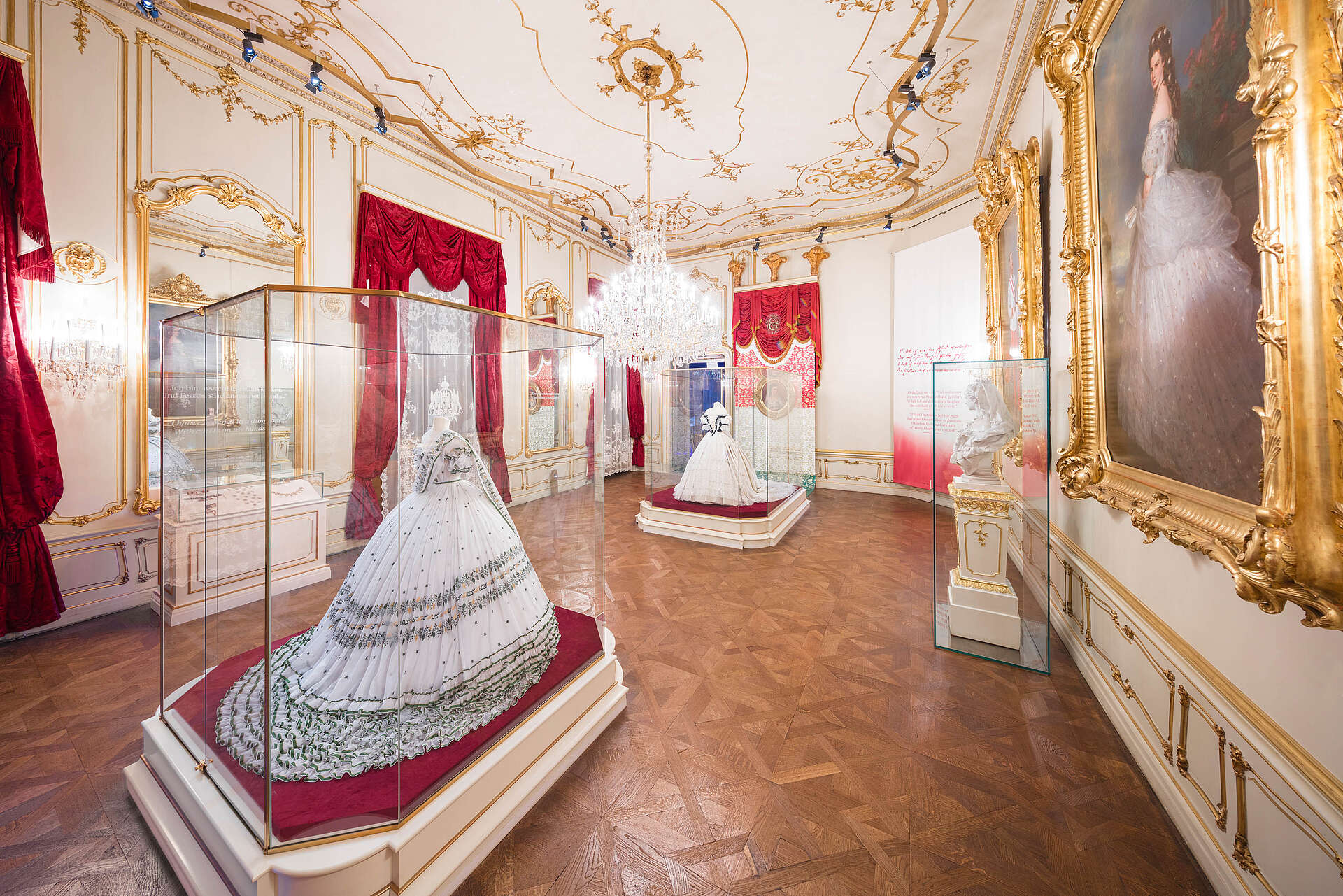
Many travelers begin with central Vienna and then discover how rewarding short side explorations can be. Depending on your interests and schedule, you can combine city highlights with Danube-area walks, modern waterfront zones, or quieter residential districts that reveal everyday Viennese life beyond the postcard center.
These detours often become favorite memories because they add contrast. After palace interiors and major museums, a riverside path, a local bakery stop or a less-touristed neighborhood can reset your pace and deepen your sense of place. With transport integrated into your Vienna Card day, adding these side perspectives is easy and often surprisingly time-efficient.
Why the Vienna Card helps tell the story
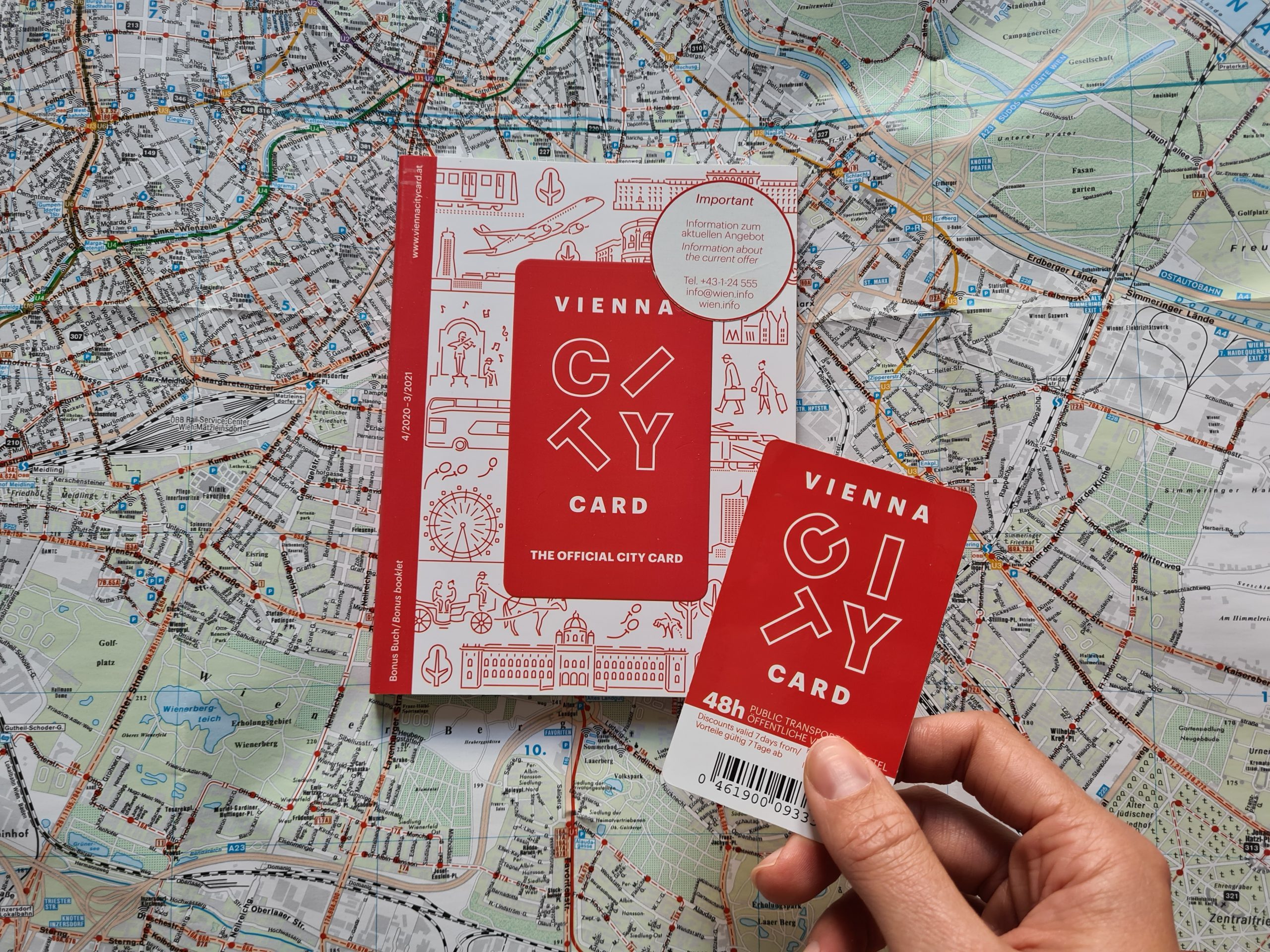
A city card might seem like a purely practical purchase, but in Vienna it can become a storytelling tool. Because movement is easy, you naturally experience contrast: imperial courts and student streets, old masters and contemporary art, formal boulevards and intimate cafes. These transitions are where the city's personality appears most clearly.
By the end of your stay, memory is built from linked moments rather than isolated visits: a tram ride along the Ring, a museum room that lingers in your mind, a garden path in evening light, a concert hall after dusk, a final coffee before heading back. The Vienna Card does not replace curiosity, but it removes enough friction for curiosity to lead the way, and that is often what turns a good trip into a remarkable one.
Table of Contents
From Roman camp to medieval Vienna
Long before Vienna became a city of waltzes, coffeehouses and imperial facades, it began as Vindobona, a Roman military camp at the edge of an enormous empire. Soldiers, traders and travelers moved through this outpost where frontier life met long-distance commerce, and that practical, strategic role shaped the city's early identity. Over the centuries, the Roman presence faded, but the location remained crucial: routes converged here, goods passed through, and new settlements rose layer by layer. Medieval Vienna then grew behind defensive walls, developing markets, parishes and guild structures that gave the city both economic energy and social rhythm. If you stand in the old center today, it is possible to sense this deep continuity, where modern storefronts and tram lines sit above pathways that have guided movement for generations.
What makes Vienna fascinating is not only its polished architecture but also the way each historical era was absorbed rather than erased. Medieval lanes became formal streets, fortifications became boulevards, and local traditions adapted to changing political realities without losing their core character. This long transformation helps explain why the city feels at once stately and intimate. Even a short trip between districts can pass through centuries of urban memory, from Roman traces to Gothic fragments to Baroque and nineteenth-century redesigns. The Vienna Card does not merely make transport easier; it quietly encourages you to read these transitions in real time, moving from one historical layer to the next with enough ease to notice details that rushed travel often misses.
The Hofburg and imperial city center
At the heart of Vienna stands the Hofburg, a sprawling complex that functioned for centuries as a political center, ceremonial stage and daily workplace for imperial administration. Walking through its courtyards today, you move through a built archive of dynastic ambition, changing tastes and practical governance. Gothic remnants meet Baroque statements and later expansions, each phase reflecting new priorities of power, representation and modernization. Nearby streets, churches and squares reinforce this atmosphere, where monumental buildings and civic institutions stand close enough to explore on foot, yet each one opens onto a remarkably rich historical narrative.
The center is also where Vienna's polished image meets its everyday life. Office workers pass tourists, students cut through palace arcades, and locals queue for quick lunches beside world-famous landmarks. This coexistence matters: Vienna's heritage is not a frozen stage set, but an active urban environment where history remains useful, visible and inhabited. As you move between central sites with the Vienna Card, you can choose your own pace, pausing for architectural detail, museum depth or simply people-watching at a cafe terrace, letting the city reveal itself as both former imperial capital and present-day home.
Trade, coffeehouses and urban daily life
Vienna's commercial story is written not only in grand department stores and shopping avenues, but also in markets, arcades and neighborhood businesses that have served residents for generations. Places like Naschmarkt reveal a city shaped by exchange: local produce beside international ingredients, traditional stalls beside modern food concepts, long-established vendors beside new arrivals. This practical economic life has always complemented Vienna's ceremonial image. Courts, ministries and opera houses may define the postcard, but markets and small businesses explain how the city actually breathes.
Coffeehouses add another essential layer. More than places to drink coffee, they have long been social workspaces where writers, musicians, political thinkers and ordinary citizens shared newspapers, arguments and ideas. This culture of lingering has influenced Vienna's tempo: reflective, conversational and less hurried than many capitals. With the Vienna Card handling transport connections, you can move between a morning market, an afternoon museum and an evening coffeehouse with very little friction, experiencing the city as residents often do, through routines rather than rushed checklists.
Ringstrasse and the age of grand institutions
The creation of the Ringstrasse in the nineteenth century was one of Vienna's most defining urban transformations. Former fortifications gave way to a sweeping boulevard lined with institutions that projected confidence, education and civic identity: parliament, city hall, museums, theaters and university buildings. It was city planning as political statement, designed to communicate modernity and prestige through architecture. Traveling around this zone today offers an immediate lesson in how urban form can express national ambition.
Yet the Ring is not only monumental. It is also a living corridor of tram lines, commuters, visitors and seasonal events. Morning sunlight across facades, evening lights near theaters, winter markets and spring promenades all give the boulevard a changing mood throughout the year. Using your Vienna Card to ride trams around this loop lets you experience both scale and continuity, seeing how ceremonial buildings remain integrated into contemporary urban life rather than isolated as museum pieces.
Schonbrunn, Belvedere and courtly culture
Vienna's palace culture is often associated with ceremony and splendor, but these spaces were also engines of administration, diplomacy and artistic patronage. Schonbrunn, with its formal rooms and extensive gardens, reflects both court etiquette and practical governance on a large scale. Belvedere, meanwhile, combines aristocratic architecture with major art collections that bridge imperial history and modern cultural identity. Visiting both offers a fuller picture: palaces were not decorative backdrops, but active institutions that shaped how power, style and cultural policy evolved.
Today these places are among Vienna's most visited highlights, and their popularity is understandable. Still, beyond the famous halls and photos, there is real value in slowing down. Walk garden paths, notice perspective lines, compare decorative programs, and observe how visitors from around the world engage with the same spaces differently. The Vienna Card supports this slower approach by reducing transport and ticket stress, so you can focus on interpretation rather than logistics.
Modern Vienna: design, music and neighborhoods
Modern Vienna balances deep tradition with a quietly confident contemporary scene. In districts beyond the postcard core, you find independent design studios, experimental galleries, neighborhood bakeries and evening venues where classical music and modern performance cultures coexist naturally. The city does not always shout its modernity, but it is present in adaptive reuse projects, local creative ecosystems and the way public spaces are managed for both residents and visitors.
Neighborhood exploration is where many travelers feel most connected to Vienna's real character. A morning museum in one district can lead to lunch in another and an evening concert elsewhere, all linked by efficient transport. With the Vienna Card, these transitions become effortless enough that you can follow curiosity rather than rigid plans, allowing unexpected highlights to shape your day.
Mobility and the city network
Vienna's mobility system is one of the city's quiet masterpieces. Trams trace historic avenues, U-Bahn lines connect key districts quickly, and buses fill practical gaps, creating a network that is easy to understand even for first-time visitors. This infrastructure is not only convenient; it actively shapes how people experience the city by making cultural institutions, parks and neighborhoods feel close rather than fragmented.
That is why the Vienna Card can transform an itinerary. Instead of clustering activities in one area out of transport uncertainty, you can build richer days across multiple districts with confidence. A palace in the morning, a museum in the afternoon, a Danube walk at sunset and an evening performance become entirely realistic without exhausting coordination.
Crowds, safety and accessibility
Vienna is generally perceived as safe and well-organized, yet smart travel habits still matter, especially around major stations and crowded attractions. Keep valuables secure, verify platform information before boarding, and allow extra transfer time during rush periods. Popular museums and palaces can become busy, but this is manageable with early arrivals, pre-booked slots and flexible route planning.
Accessibility standards are strong in many parts of the network, with low-floor trams, lifts in numerous stations and detailed public information. However, older buildings and historic interiors can still present constraints. The best approach is to plan ahead by checking each venue's accessibility details, then use the card and transport network strategically to minimize unnecessary effort.
Festivals, rituals and seasonal Vienna
Vienna changes character with the calendar in a way that visitors quickly feel. Spring brings outdoor concerts and greener promenades, summer opens long evenings along the Danube, autumn deepens the museum season, and winter transforms squares with Advent markets, lights and warm food stalls. These seasonal rhythms are not decorative extras; they influence opening times, crowd levels and even how locals move through the city.
Alongside major events, smaller rituals give Vienna much of its charm: an unhurried coffeehouse morning, a newspaper read in silence, an evening walk after a concert, Sunday routines in local neighborhoods. When your transport is already sorted through the Vienna Card, it becomes easier to align your day with these subtle cultural patterns and experience the city as a lived environment, not only as a list of attractions.
Cards, discounts and smart planning
City cards are most effective when they are matched to your real travel style. Before buying, identify your must-see attractions, estimate your daily movement between districts, and compare potential discount use against the card cost. In Vienna, this method usually pays off because many key experiences are spread out and public transport is central to efficient planning.
A practical strategy is to cluster nearby visits while preserving flexibility for weather and energy. For example, pair central museums on one day, palace and gardens on another, then leave room for spontaneous neighborhood stops. The Vienna Card supports this approach because it removes repetitive ticket decisions and keeps your day adaptable from morning to evening.
Preserving heritage in a living city
Vienna's visual harmony can make preservation look effortless, but maintaining it requires constant effort, regulation and investment. Facade restorations, adaptive reuse projects, museum conservation work and infrastructure upgrades happen continuously behind the scenes. The challenge is to keep the city functional for residents while safeguarding architectural and cultural continuity across centuries.
Visitors play a role too. Responsible tourism means respecting site rules, supporting official institutions, choosing sustainable mobility and giving heavily visited places enough space. The Vienna Card can support this by distributing movement across many neighborhoods rather than concentrating everyone in a few hotspots, helping create a more balanced and respectful experience for both travelers and locals.
Side trips and Danube perspectives
Many travelers begin with central Vienna and then discover how rewarding short side explorations can be. Depending on your interests and schedule, you can combine city highlights with Danube-area walks, modern waterfront zones, or quieter residential districts that reveal everyday Viennese life beyond the postcard center.
These detours often become favorite memories because they add contrast. After palace interiors and major museums, a riverside path, a local bakery stop or a less-touristed neighborhood can reset your pace and deepen your sense of place. With transport integrated into your Vienna Card day, adding these side perspectives is easy and often surprisingly time-efficient.
Why the Vienna Card helps tell the story
A city card might seem like a purely practical purchase, but in Vienna it can become a storytelling tool. Because movement is easy, you naturally experience contrast: imperial courts and student streets, old masters and contemporary art, formal boulevards and intimate cafes. These transitions are where the city's personality appears most clearly.
By the end of your stay, memory is built from linked moments rather than isolated visits: a tram ride along the Ring, a museum room that lingers in your mind, a garden path in evening light, a concert hall after dusk, a final coffee before heading back. The Vienna Card does not replace curiosity, but it removes enough friction for curiosity to lead the way, and that is often what turns a good trip into a remarkable one.